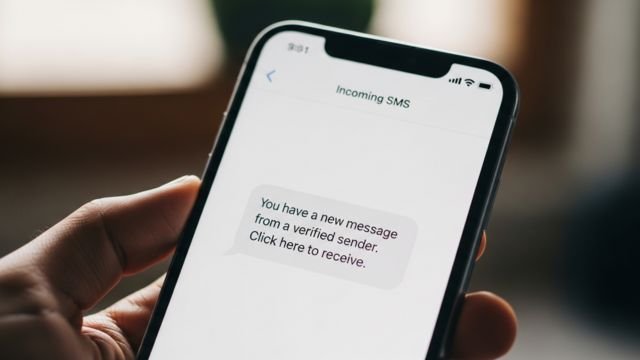
Understanding SMS Verification Numbers in Digital Security
In the digital era, ensuring secure access to online platforms is more critical than ever. Developers face the constant challenge of protecting user accounts from unauthorized access, fraud, and cyber threats. One of the most effective tools in their arsenal is the sms verification number. This method of authentication provides a simple yet powerful way to confirm the identity of users before granting access to sensitive data or services. Unlike traditional password-only systems, SMS verification adds an extra layer of security, making it significantly harder for attackers to compromise accounts.
An sms verification number is a temporary code sent to a user’s mobile device during the login or account creation process. This number is typically unique and expires within a short period, ensuring that even if intercepted, it cannot be reused for fraudulent purposes. Developers integrate this system to bolster trust between their application and its users while reducing the risk of account breaches.
Integration of SMS Verification Numbers in Authentication Workflows
Developers implement SMS verification numbers in various stages of user authentication. During the signup process, a new user may provide their phone number, after which the system sends a verification code via SMS. The user must enter this code into the application to complete registration. This process confirms that the phone number is active and belongs to the person attempting to create the account. It also discourages fake registrations and automated bots, which often rely on disposable or invalid numbers.
For existing users, sms verification numbers are often used during login, especially when accessing accounts from unrecognized devices or locations. This form of two-factor authentication (2FA) ensures that even if a password is compromised, unauthorized access is prevented. Developers design these systems to prompt users for a verification code whenever there is a login attempt from a new device or IP address. This proactive measure strengthens overall account security.
Enhancing Security Beyond Passwords
Passwords alone are no longer sufficient to protect user accounts. Many users reuse passwords across multiple sites, and cybercriminals frequently employ tactics like phishing or credential stuffing to gain access. By incorporating an sms verification number into authentication, developers create a multi-layered defense system. This method ensures that even if login credentials are stolen, the account remains inaccessible without the temporary code sent to the user’s mobile device.
Moreover, SMS verification offers convenience without sacrificing security. Users do not need to remember complex codes or carry additional authentication devices. Receiving a verification number directly on a mobile phone makes the process intuitive and accessible to a wide range of users, regardless of technical expertise. Developers can also configure the system to limit the number of verification attempts, adding another layer of protection against brute-force attacks.
Reducing Fraud and Unauthorized Access
Fraud prevention is a key reason developers rely on sms verification numbers. In financial services, e-commerce platforms, and social media, verifying users through SMS ensures that transactions and account activities are legitimate. When developers require a verification number before enabling critical actions—such as changing account details, initiating fund transfers, or posting content—they can significantly reduce the likelihood of fraud.
Additionally, this method mitigates risks associated with automated bots. Automated scripts often attempt mass account creation or login attempts to exploit weaknesses in platforms. By requiring an sms verification number, developers force these bots to possess a valid phone number capable of receiving the code, which is a barrier most malicious actors cannot easily overcome. This enhances the integrity of the user base and improves overall platform reliability.
Balancing User Experience and Security
While SMS verification numbers are effective, developers also consider the user experience. Sending codes too frequently or implementing overly complex verification procedures can frustrate users, potentially driving them away from the platform. Developers therefore optimize the process to ensure it is seamless. Common practices include offering the option to remember trusted devices, providing clear instructions for code entry, and implementing fallback methods such as email verification for users unable to receive SMS messages.
Future Trends in SMS Verification Numbers
The use of sms verification numbers continues to evolve alongside advancements in mobile technology and security standards. Developers are exploring ways to combine SMS verification with biometric authentication, push notifications, and encrypted messaging to create even more secure systems. Additionally, services that provide temporary or virtual phone numbers help developers test authentication workflows without exposing real user numbers, ensuring robust development and QA processes.
Another trend is the integration of SMS verification with adaptive security systems. These systems analyze user behavior and context to determine when to require a verification number, reducing unnecessary prompts while maintaining security during high-risk activities. This approach allows developers to strike a balance between convenience and protection.
Conclusion
SMS verification numbers play a critical role in modern user authentication strategies. By providing a reliable, convenient, and secure method of confirming user identity, developers can prevent unauthorized access, reduce fraud, and maintain trust on their platforms. The sms verification number has proven to be an indispensable tool in the fight against cyber threats, ensuring that users enjoy a safer online experience without compromising ease of access. As digital security continues to advance, developers will increasingly rely on this method, adapting it to new technologies and evolving security requirements to maintain the highest standards of account protection.
The combination of simplicity, accessibility, and effectiveness makes the sms verification number a cornerstone of authentication systems, demonstrating that even a small, temporary code can have a powerful impact on digital safety.